Memoir
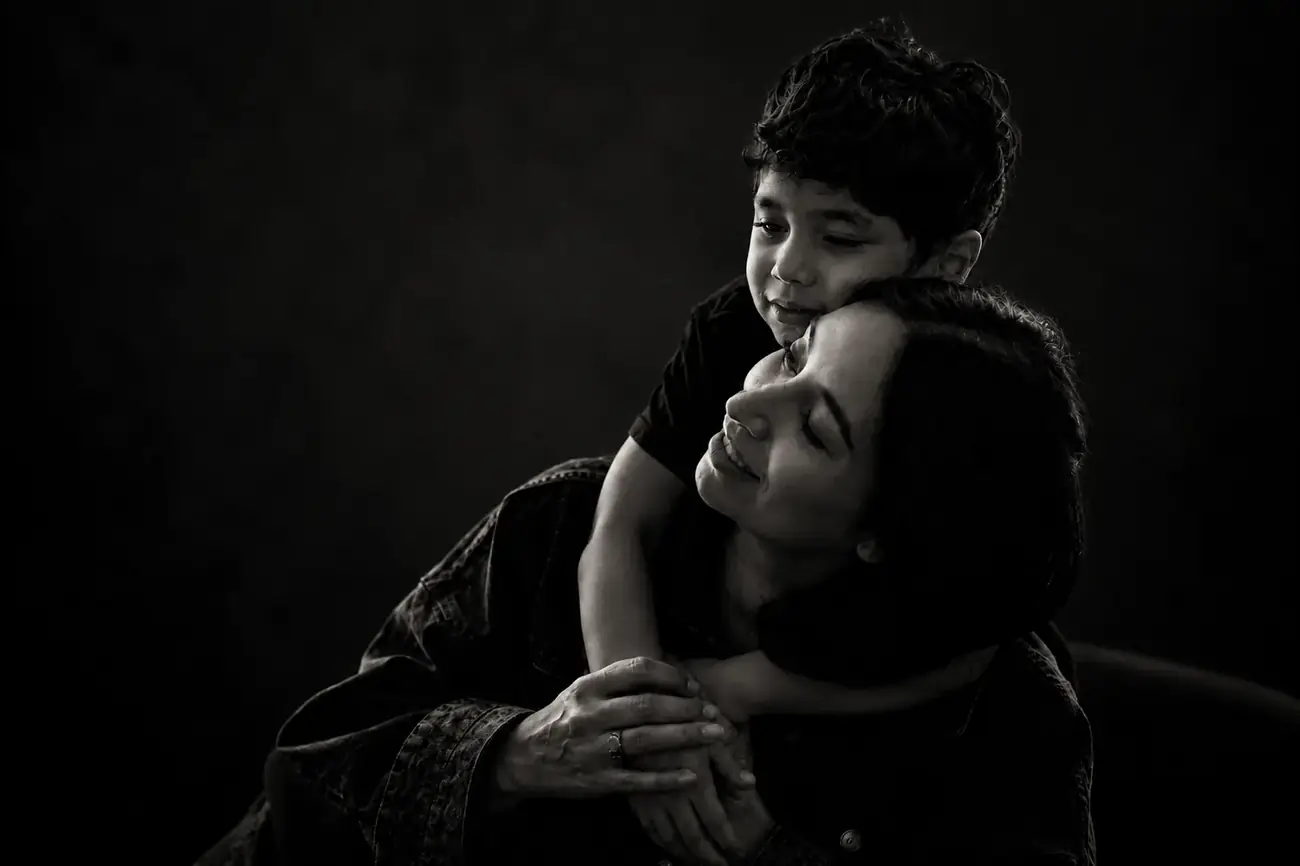
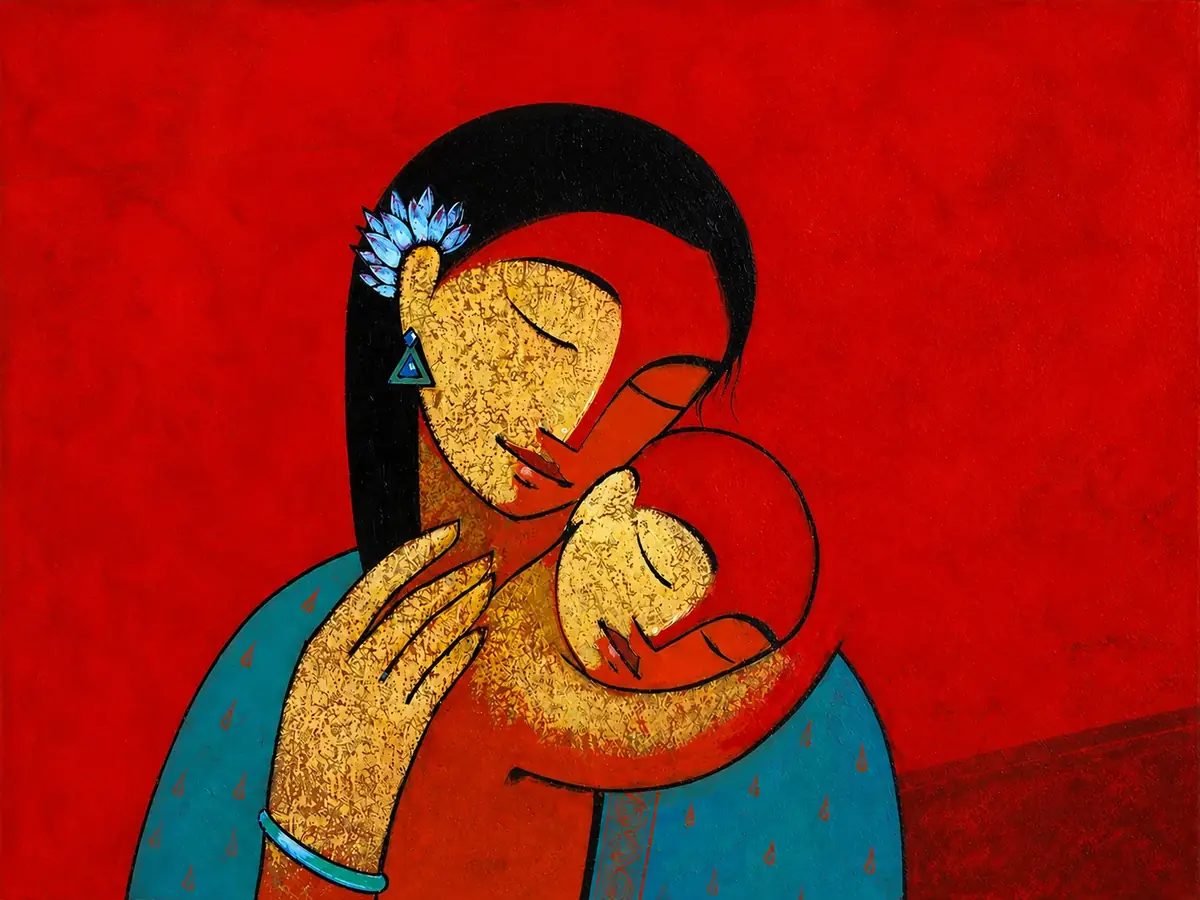
The Strongest Man I Ever Knew Was My Mother.
202624 Jun
7 min read
Twelve years after her death, a son learns who his mother truly was.
4 pieces in MemoirSubjects: Originality, Memory, Family, GriefBy Vinay TrivediVinay Trivedi / Blogs and Articles
A permanent home for blogs, articles, short fiction, memoir, essays, behind the manuscript notes, Gujarati poetry, sketches and photography.
04MemoirThe Child Who Was Still Waiting for Me
The child did not disappear. He was only waiting for me to come home.
05EssayWhat my mother’s fifty year old Gujarati poems taught me about AI, originality, and the strange new value of being human.
03Short FictionA burning afternoon in May, an empty mall, and a long list of ordinary errands that have begun to feel heavy.
02MemoirTwelve years after her death, a son learns who his mother truly was.
01MemoirThank You, Dad
After more than two years of using AI almost every day, I no longer find most of these demonstrations particularly surprising.
There are photographs that record a moment, and then there are photographs that quietly preserve a person who no longer exists in quite the same way. I found it after almost twelve years of my life had somehow disappeared from my memory.
It was a sunny afternoon in the middle of May, the kind of afternoon when the city does not move so much as endure.
There are certain truths about our parents that arrive far too late.
A long read about fathers, the gates they waited at, and the memories some children never had.
Thank You, Dad
Father’s Day has always been a curious day for me. Every year, I read messages written by sons and daughters celebrating the men who taught them to ride bicycles, helped them with homework, waited outside school gates, attended sports days, and quietly carried the weight of entire families on their shoulders. As I read those stories, I often find myself thinking about the fathers I grew up watching.
My childhood was filled with them.
I remember fathers walking through public parks with small fingers wrapped around their hands. I remember fathers playing cricket on narrow streets until dusk, pretending not to be tired even after long days at work because their children wanted one more over before going home.
I cannot remember a single afternoon when I walked out of school and found you waiting for me at the gate.
Fatherhood is not measured through grand gestures. It is measured through presence.
Four ways in. Choose a form to see every piece written in it, and the subjects it keeps returning to.
The Strongest Man I Ever Knew Was My Mother.
Twelve years after her death, a son learns who his mother truly was.
4 pieces in MemoirSubjects: Originality, Memory, Family, GriefBy Vinay Trivedi
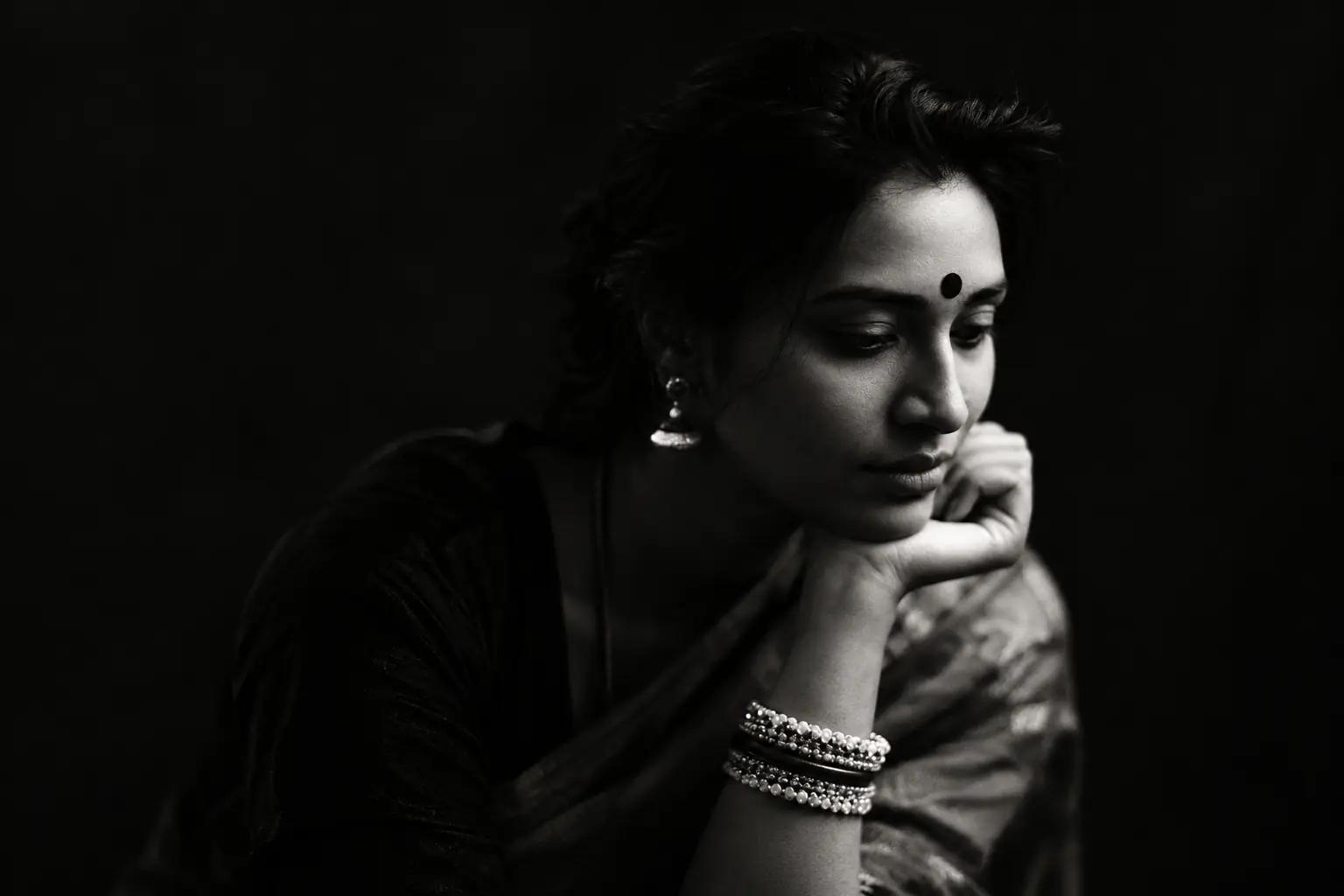
MemoirA burning afternoon in May, an empty mall, and a long list of ordinary errands that have begun to feel heavy.
1 piece in Short FictionSubjects: Fear, The CityBy Vinay TrivediFour ways in. Memoir, short fiction, essays and articles, 5 pieces so far, each written by Vinay Trivedi about what people hide and what refuses to remain buried.
Read by theme →
EssayThe Last Lines Belonged to Her
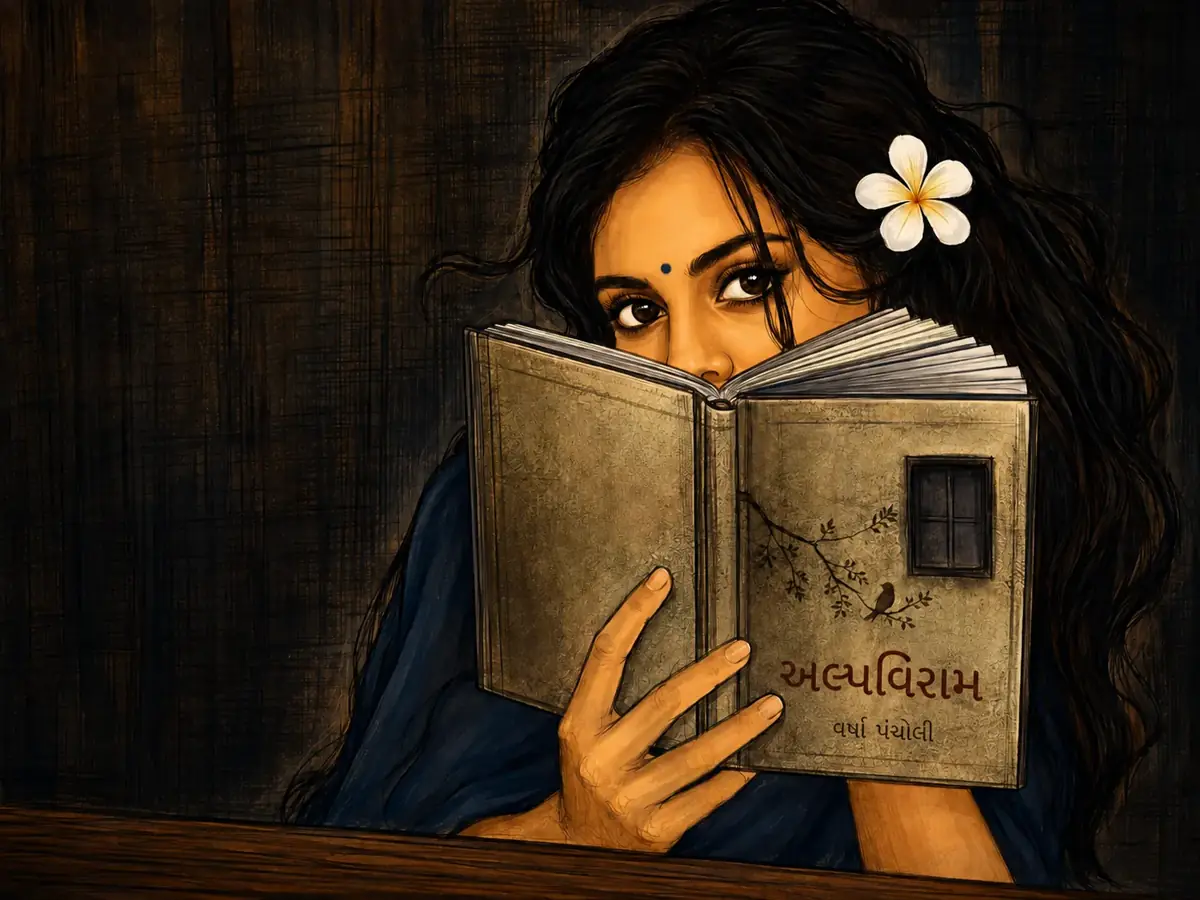
What my mother’s fifty year old Gujarati poems taught me about AI, originality, and the strange new value of being human.
2 pieces in EssaySubjects: Originality, Memory, Family, GriefBy Vinay Trivedi
AlpvirãmRead the poemHappy Father’s Day. Thank You, But No Thank You.
Thank You, Dad
2 pieces in ArticleSubjects: Originality, Memory, Family, GriefBy Vinay TrivediLong thinking about originality, family, and the things people leave unsaid.
What my mother’s fifty year old Gujarati poems taught me about AI, originality, and the strange new value of being human.
After more than two years of using AI almost every day, I no longer find most of these demonstrations particularly surprising.
AI can study every description of rain ever published. Only you stood in that rain.
Thank You, Dad
Read the full essay →The Child Who Was Still Waiting for Me
Read the full memoir →A burning afternoon in May, an empty mall, and a long list of ordinary errands that have begun to feel heavy.
Read the full short fiction →Stories that can be finished in one sitting, and not forgotten as quickly.
It was a sunny afternoon in the middle of May, the kind of afternoon when the city does not move so much as endure. The sun stood above everything with a punishment that felt personal. Heat fell on the head, rose from the road, entered the eyes, and made even silence seem tired. Shadows had grown short beneath parked cars and compound walls. The trees beside the road stood without movement, as if their leaves had accepted defeat. The dogs slept under shutters. The hawkers sat with wet towels around their necks. The roads were empty and quiet, not because the city was peaceful, but because everyone who could hide from the afternoon had already hidden.
For me, it was a perfect time to shop.
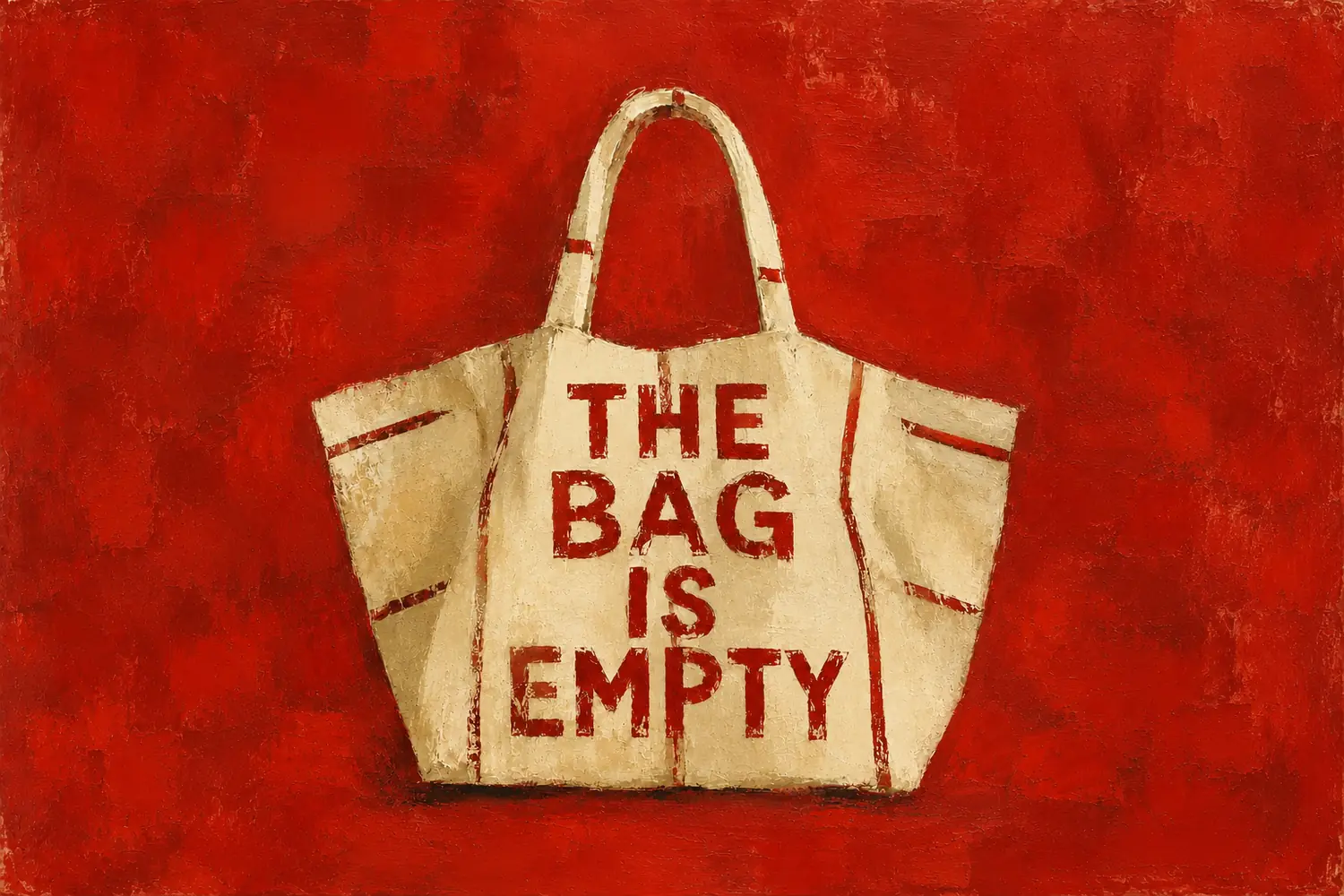
The bag is empty because someone had been emptying it for years while teaching you to blame your own hands.
What my mother’s fifty year old Gujarati poems taught me about AI, originality, and the strange new value of being human.
Read the full essay →The Child Who Was Still Waiting for Me
Read the full memoir →Twelve years after her death, a son learns who his mother truly was.
Read the full memoir →Memory, inheritance, and the parents we understood too late.
The Child Who Was Still Waiting for Me
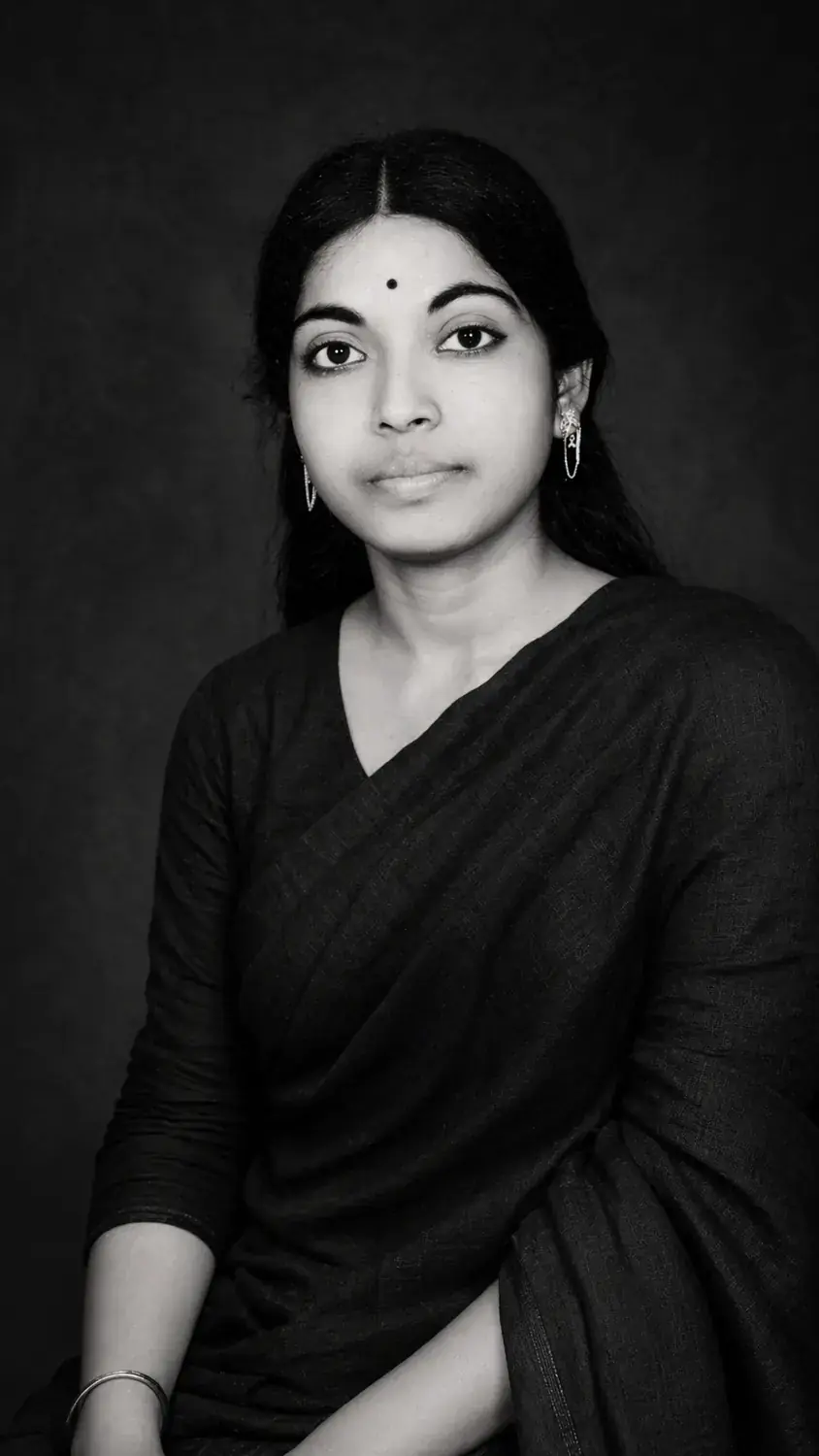
There are photographs that record a moment, and then there are photographs that quietly preserve a person who no longer exists in quite the same way.
I think this is one of those photographs.
I found it after almost twelve years of my life had somehow disappeared from my memory.
Not literally, of course. I remember things. I remember enough to know that those years were full of life. Marriage. Children. Work. Jobs. Business. Ambitions. Failures. Responsibilities. Losses. Family. Arguments. Love. Disappointments. The long, exhausting mathematics of trying to keep a life together.
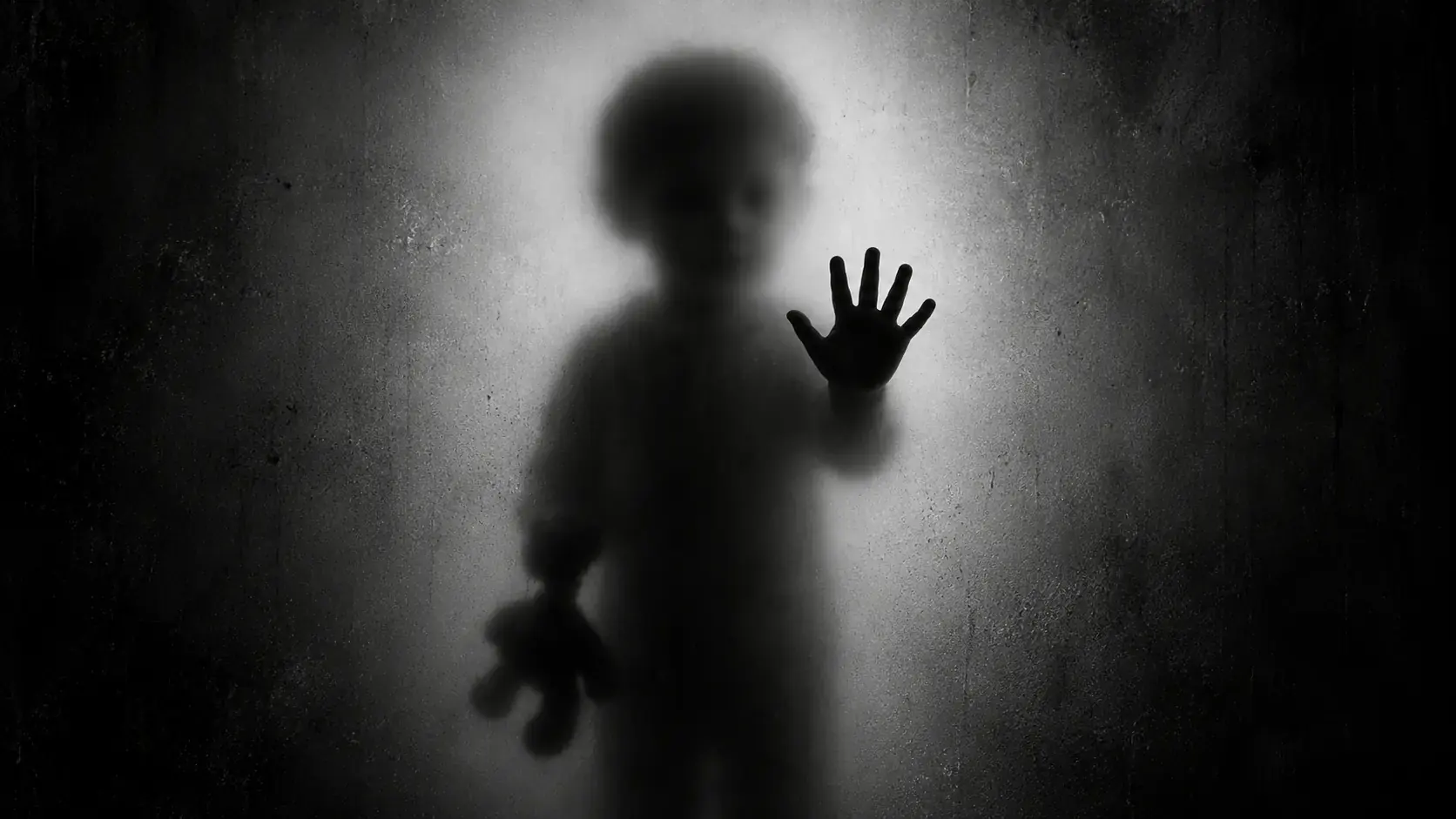
The child did not disappear. He was only waiting for me to come home.
What my mother’s fifty year old Gujarati poems taught me about AI, originality, and the strange new value of being human.
Read the full essay →Twelve years after her death, a son learns who his mother truly was.
Read the full memoir →Thank You, Dad
Read the full essay →Every blog and article on this page begins with one of these.
What can a machine never inherit from the life it imitates?
Explored in The Last Lines Belonged to Her →When does ordinary fear quietly become a way of living?
Explored in The Bag Is Empty →What do we owe the parents we understood too late?
Explored in The Strongest Man I Ever Knew Was My Mother. →What do we carry from the fathers who were never there?
Explored in Happy Father’s Day. Thank You, But No Thank You. →Before a scene becomes a sentence, it is often a face, a doorway or a stretch of water.
08 · Gujarati Poetry
A poem from the Gujarati collection.
કંકણોના નાદથી જો આટલા મજબૂર થયા,
તો શબ્દના એ બાણથી શું શું નહીં બને?
વેધક તમારી દ્રષ્ટિઓથી નજરને ઝૂકવું પડ્યું,
તો આંખના ઈશારાથી શું શું નહીં બને?
મુખચંદ્રની એ રોશનીથી રૂપ પણ શરમાઈ ગયું,
તો કાજળમઢી કીકીઓને જોતા શું શું નહીં બને?
નૂપુર ઝંકારમાત્રથી સજાવી દીધા ખ્વાબો,
તો પાયલની અદાઓને જોતા શું શું નહીં બને?
બસ આરઝૂ છે એક દિલની નિશાનો લગાવ્યા છે ઘણા,
તો કટારીના એ ઘાવથી શું શું નહીં બને?
વર્ષા પંચોલી

09 · The Readers List
Now and then, when there is something worth sending, I write to the people who read. New blogs and articles first, notes from behind the manuscript, early excerpts and the occasional poem.